September 23, 2026
A disabled vehicle can turn an ordinary drive into a stressful situation within moments. The cause may be an engine failure, overheating, a dead battery, a flat tire, an accident, or another problem that makes continued driving unsafe. Thinking through the type of assistance the vehicle requires can help a driver make a sound decision without exposing passengers or the vehicle to additional risk.
The right towing service should match the vehicle, its condition, its location, and the distance it needs to travel. Availability matters as well because roadside emergencies do not follow business hours. By considering the provider's capabilities, equipment, communication, and related roadside support, a driver can choose assistance suited to the immediate circumstances.
Start With the Reason Assistance Is Needed
The nature of the problem affects what kind of response is appropriate. A car that will not start in a driveway presents a different challenge from a vehicle that has left the road or sustained collision damage. During the initial call, an accurate description of what happened and whether the vehicle can roll or steer gives the provider useful information for planning the response.
Certain symptoms indicate that the vehicle should not be driven any farther. Overheating, loud knocking or grinding, unreliable steering or brakes, severe vibration, and repeated stalling can point to a mechanical or safety concern. According to IBISWorld, 39,745 businesses operate in the U.S. automobile towing industry in 2026, yet not every towing service has the same equipment or capabilities.
Match the Provider to the Vehicle
Vehicle size and design influence the equipment needed for transportation. Light-duty towing commonly accommodates passenger cars, SUVs, and small trucks, while a larger vehicle may require medium-duty capabilities. A motorcycle also needs equipment and securement methods suited to its balance, exposed parts, and smaller contact points.
Modifications and damage can affect loading as much as vehicle size. A lowered vehicle, luxury car, motorcycle, or automobile with collision damage may need a different approach from an undamaged passenger car. Choosing a towing service with light-duty, medium-duty, flatbed, wheel-lift, and motorcycle options provides flexibility for these differing conditions.
Understand the Towing Methods
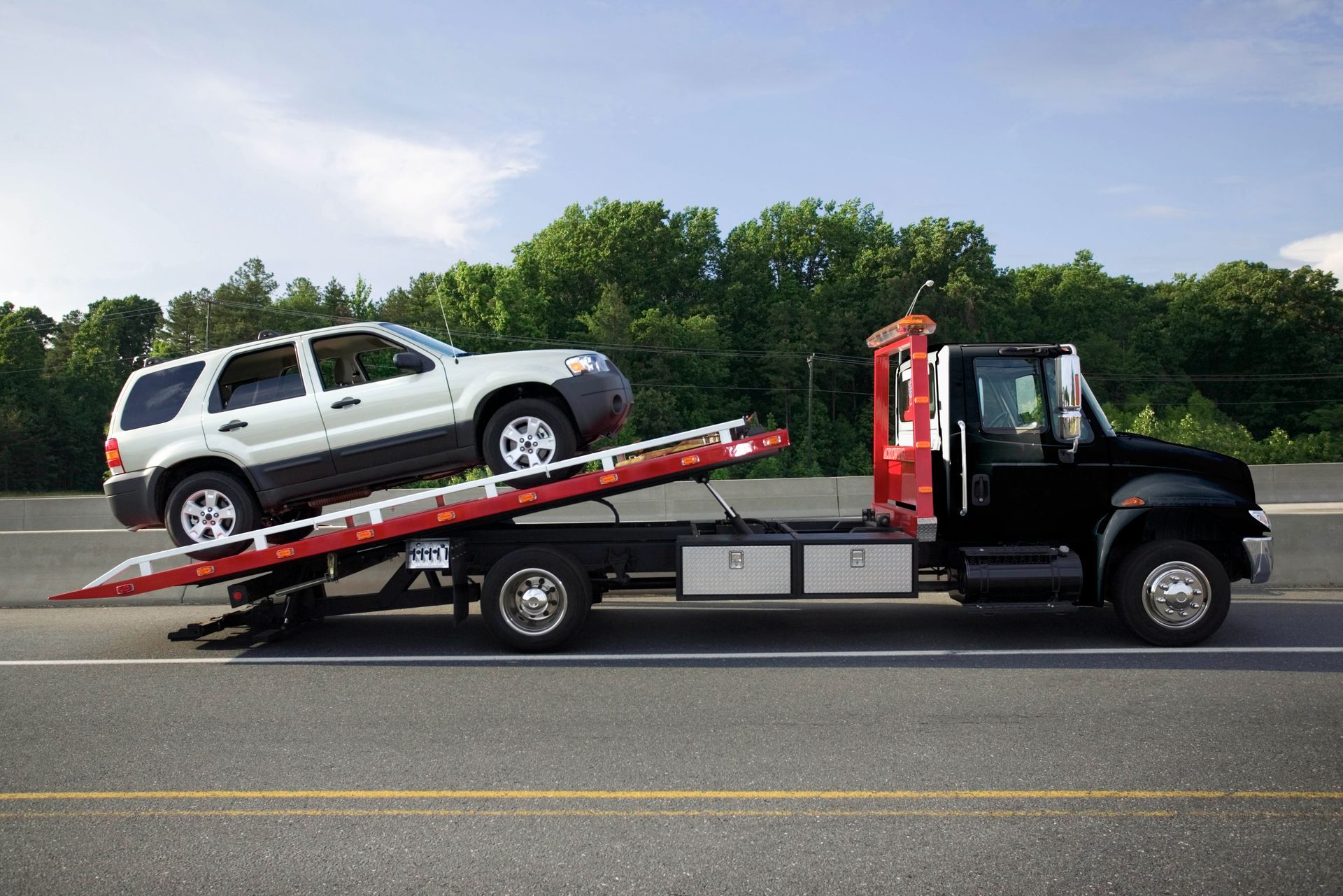
Flatbed towing places the vehicle on the truck bed so all four wheels remain off the roadway during transportation. It can suit vehicles with significant damage, low ground clearance, or conditions that make a wheel-lift method inappropriate. Because the entire vehicle rests on the bed, the drivetrain is not left turning against the road during the trip.
Wheel-lift equipment raises either the front or rear wheels while the other pair remains on the pavement. Its compact configuration can be useful in tight spaces where positioning a flatbed may be difficult. The vehicle's drivetrain, condition, and location all influence which method is appropriate, so these details should be discussed before dispatch.
Determine Whether Roadside Assistance Is Appropriate
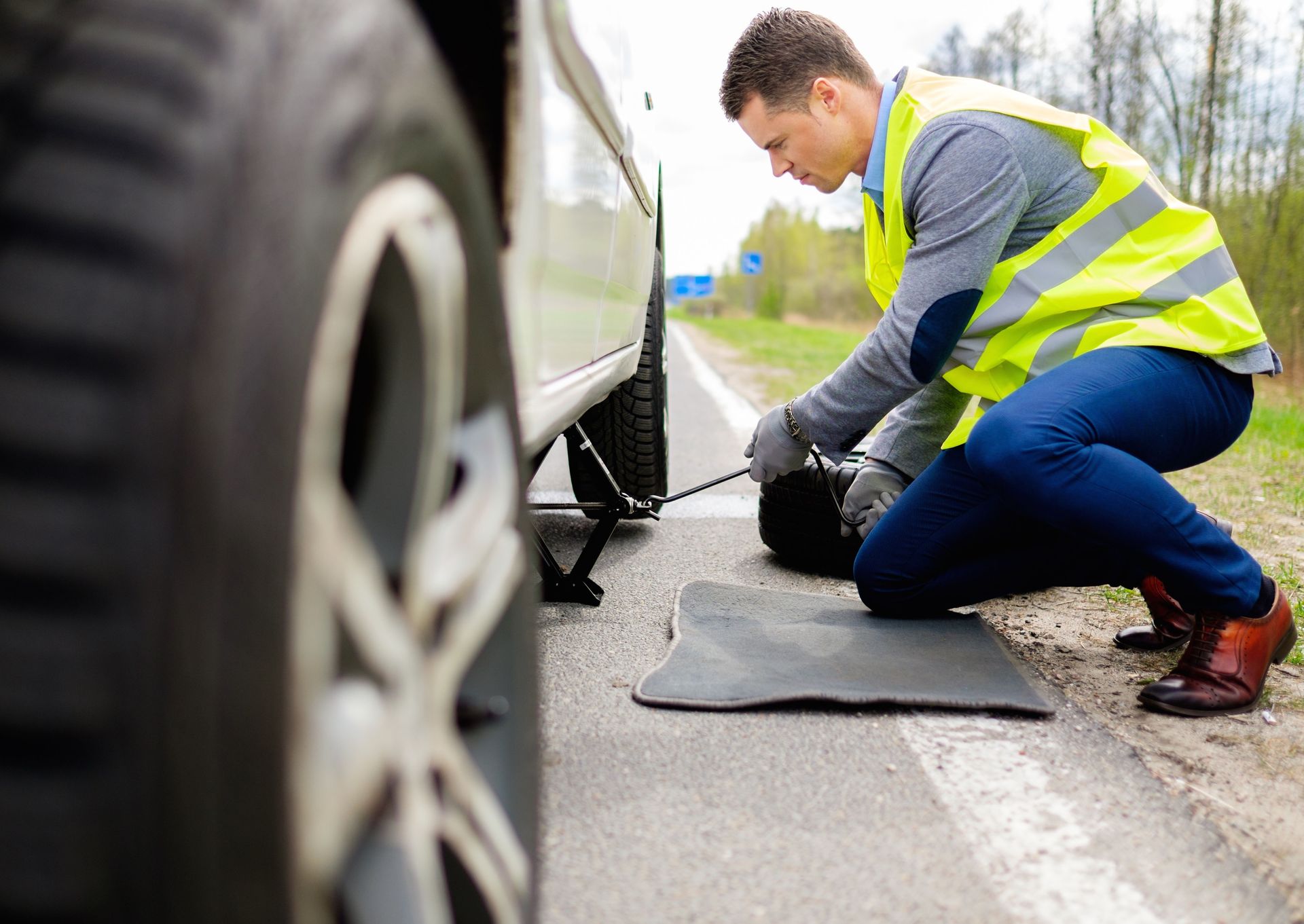
Not every roadside problem immediately requires vehicle transportation. Assistance at the location may address a dead battery, an empty fuel tank, a lockout, or a flat tire when no usable spare is available. If that response resolves the problem and the vehicle is otherwise safe to operate, the driver may be able to continue without a tow.
Roadside help is not a substitute for transportation when a vehicle has signs of a mechanical or safety problem. A car that will not remain running, continues to overheat, or cannot be controlled reliably may need to be moved to a repair facility. A towing service that also offers roadside assistance can respond according to the problem reported during the call.
Lockouts require appropriate tools and care because forcing a door, lock, or window may damage the vehicle. A licensed automotive locksmith can assist when keys are locked inside or when a broken or worn key no longer works correctly. Explaining the nature of the key or lock problem helps distinguish a locksmith request from a mechanical breakdown.
Confirm the Destination and Distance
The provider needs to know where the disabled vehicle is and where it must go. The destination may be a repair facility, a residence, or another location selected by the vehicle owner. Sharing both locations clarifies whether the request involves a local trip or long-distance transportation.
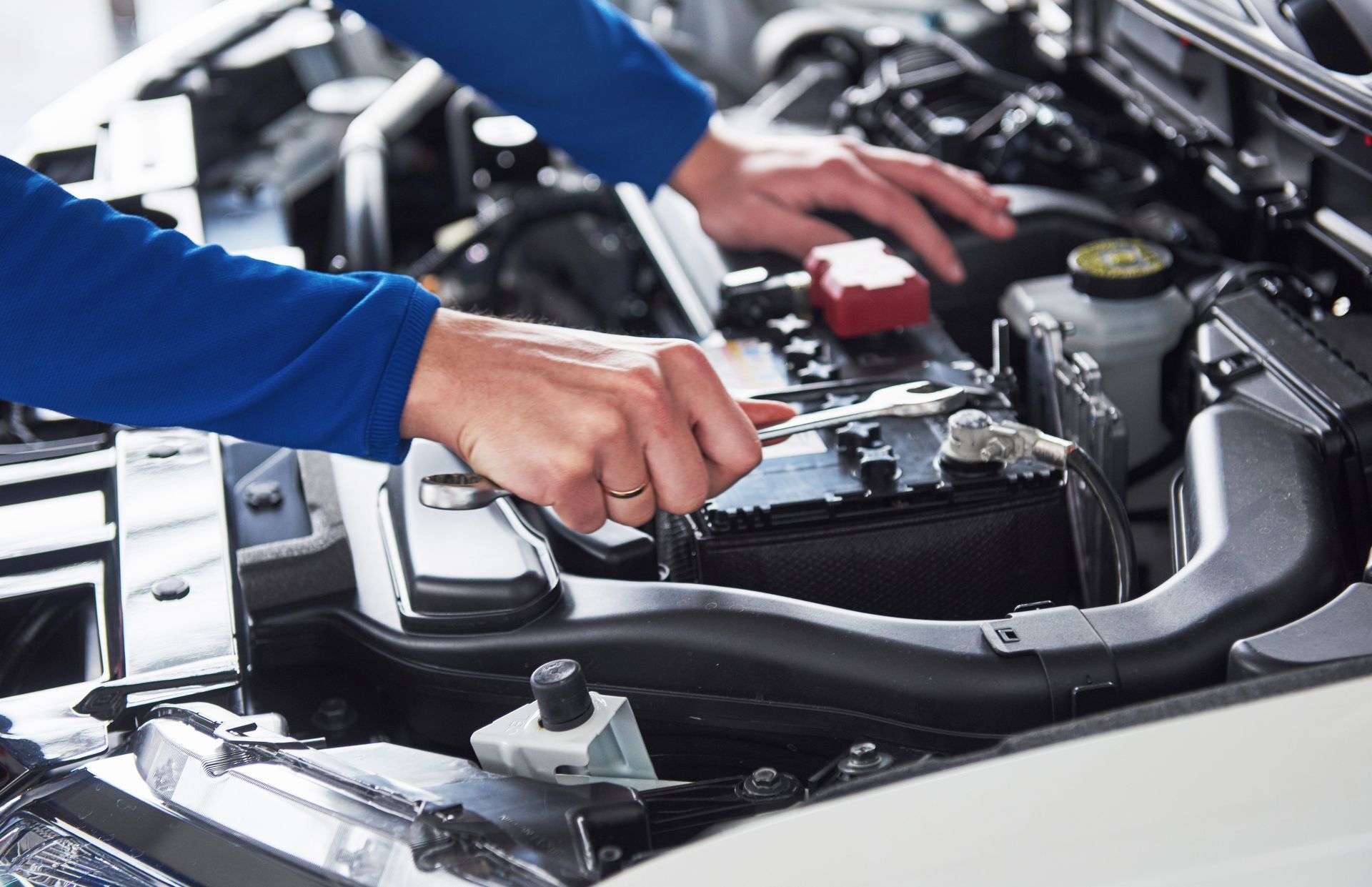
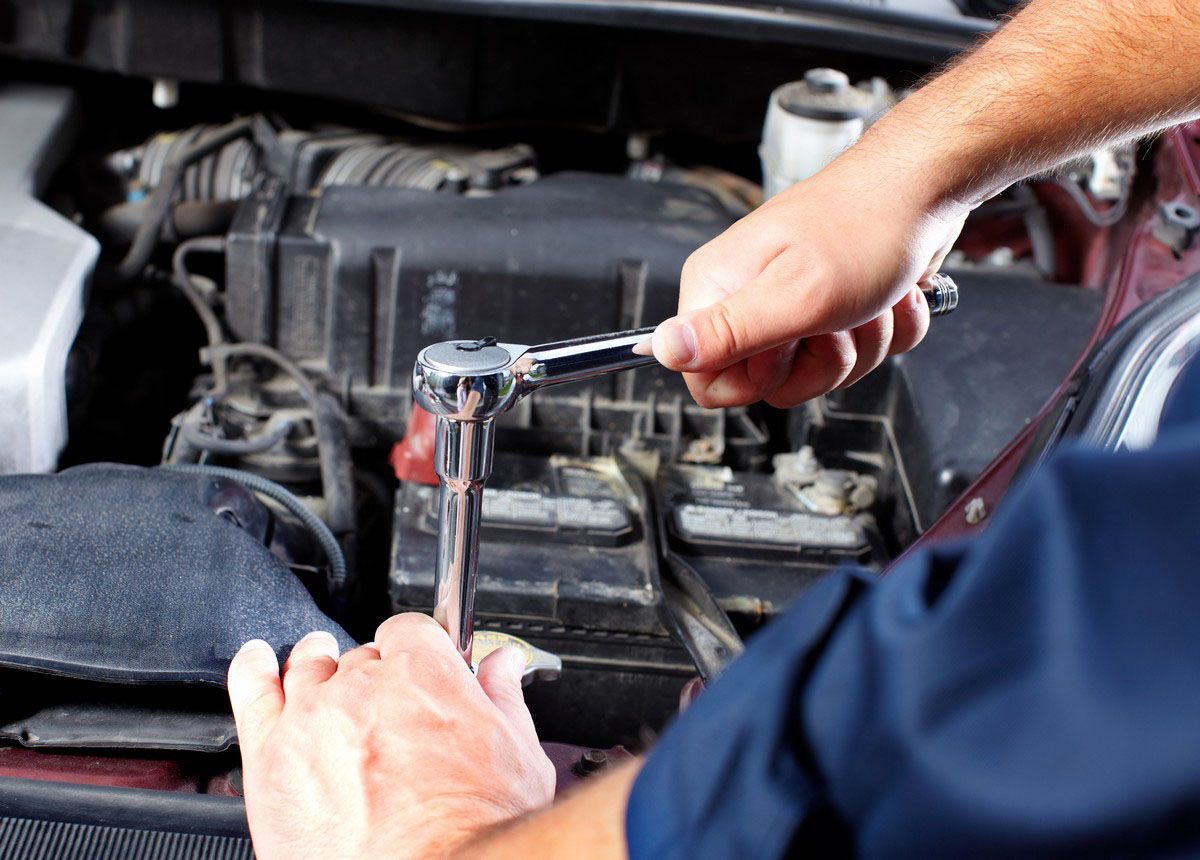
Access to towing and auto repair through the same business can simplify the next stage of a breakdown. A vehicle taken directly to a facility offering diagnostics, routine maintenance, brake repairs, engine work, and transmission work can remain there for evaluation. When choosing a towing service, a driver can ask whether the vehicle may be transported directly to the shop that will inspect the problem.
Consider Availability and Communication
A breakdown may occur late at night, early in the morning, or during a weekend trip. Access to 24/7 towing and roadside assistance means the driver can request help when the problem occurs instead of waiting for ordinary operating hours. This availability is especially relevant when the vehicle is disabled in an exposed or inconvenient location.
Clear communication also shows whether the provider understands the situation. During the call, a dependable towing service should gather the vehicle type, exact location, reported problem, destination, and any access limitations. That information helps connect the request with a suitable truck and the roadside or transportation capabilities required.
Precise location details can reduce confusion during the response. Useful references may include street names, nearby exits, visible businesses, mile markers, and the direction of travel. The caller should also mention whether the vehicle is in a travel lane, on a narrow shoulder, in a parking structure, or away from the paved surface because these conditions can affect access.
Check Accident-Recovery and Winching Capabilities
Collision damage may prevent a vehicle from rolling, steering, or loading normally. Damaged wheels, debris, fluid leaks, or an unusual resting position can further complicate recovery. Describing visible damage and the vehicle's position allows the provider to determine whether the situation calls for accident-recovery equipment rather than a routine tow.
Winching may be necessary when a vehicle is stuck, has left the pavement, or cannot be positioned for loading under its own power. The surrounding terrain, available access, and location of the vehicle can all affect the recovery approach. A provider with both accident-recovery and winching capabilities is prepared for circumstances in which the vehicle cannot be reached or loaded through ordinary towing methods.
Review Relevant Qualifications and Experience
Qualifications help a driver evaluate support available beyond transportation. ASE certification is relevant when the same business provides automotive repairs, while ACDelco Professional Service Center status relates to repair technology and quality parts. Licensed automotive-locksmith credentials apply directly when the problem involves vehicle access or a damaged key.
Experience matters because roadside situations vary. Operators may encounter tight spaces, damaged steering components, motorcycles, disabled drivetrains, or vehicles located away from the road. Familiarity with different towing methods and recovery conditions supports an approach suited to the vehicle and its condition.
A sound choice begins with clear information about the disabled vehicle and a provider whose capabilities fit the situation. Considering vehicle type, location, towing method, availability, and related assistance can make an unexpected breakdown more manageable without encouraging the driver to continue operating an unsafe vehicle. Triangle Automotive Repair, Inc provides 24/7 towing and roadside assistance, with options that include light-duty and medium-duty towing, motorcycle towing, accident recovery, and long-distance towing. Contact us for assistance with a disabled vehicle or roadside emergency.